Social Media Ban: The Teen Perspective
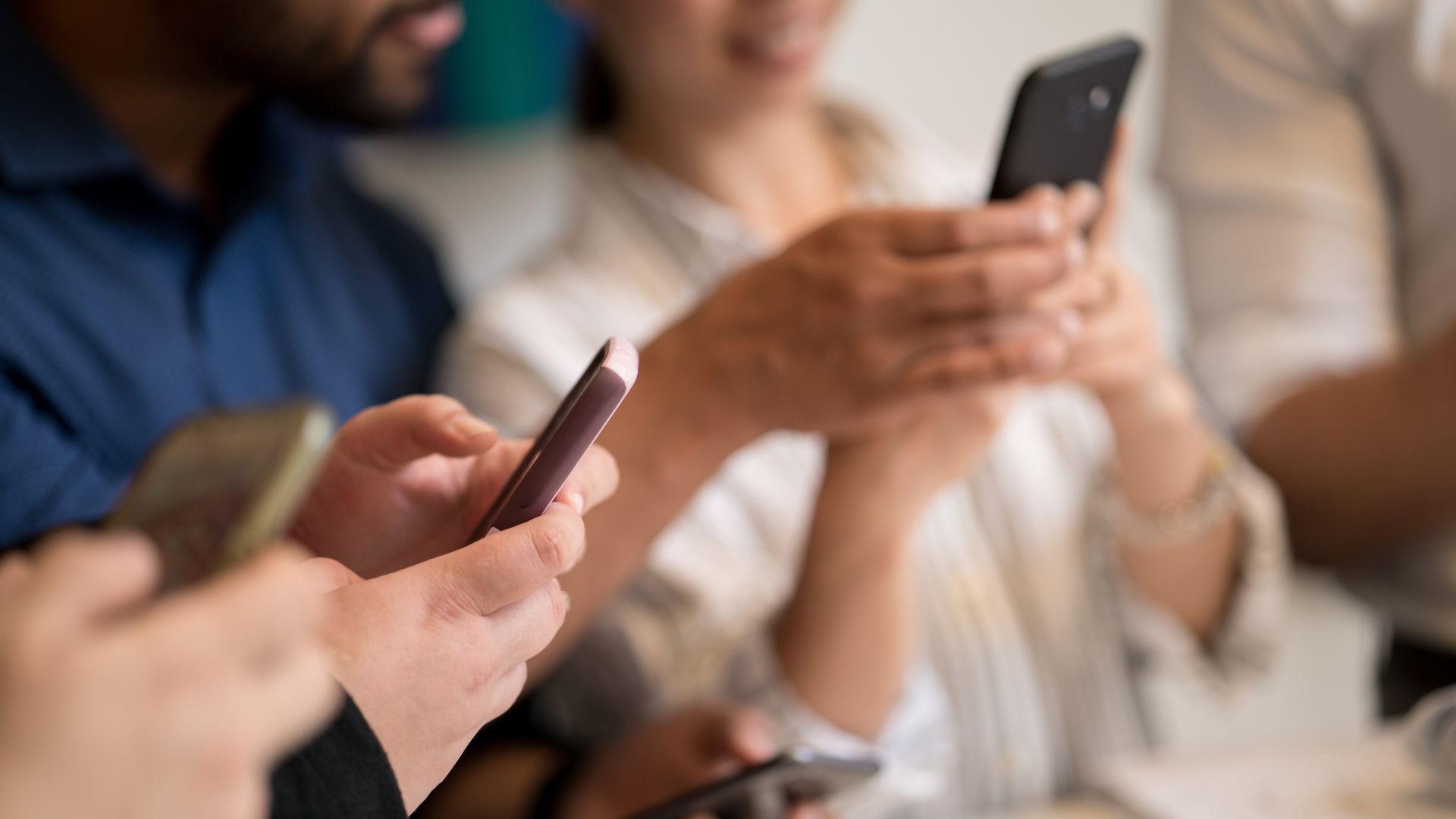
The social media ban for under-16s has both positive and negative impacts on our everyday life. Here is the perspective from a group of 16-17 year olds.
The social media ban proposes that apps like TikTok, Instagram, Snapchat and Facebook would have to check people's ages properly and not let under-16s make their own profiles. This ban may also affect people aged 16-17 as the government is proposing to enforce a curfew that decides when they can scroll on apps.
One of the positives of banning social media for under-16s is that children will have better mental health as the ban might reduce anxiety, depression, and social comparison. Children will also have better focus and productivity as there will be fewer distractions that can improve learning and work performance. Children will have more time to do other things as the ban encourages exercise, hobbies, and spending time with family and friends. The ban also reduces cyberbullying as children will have less exposure to online harassment and abuse. Children will also have improved sleep and greater privacy as less late-night screen time can lead to healthier sleep habits and reduce the amount of personal data shared online. The ban on social media will also lead to less exposure to harmful content as there will be a limit to the amount of misinformation, violent content, and inappropriate material that children will be able to access.
On the other hand, the social media ban will also have negative impacts. One of the negatives is that it limits freedom of expression as people may lose a space where they can share opinions, discuss ideas, and raise awareness about issues. Another negative is that it reduces social connections since many people use social media to stay connected with friends, family, communities, and people with shared interests, especially if they live far away. Another negative impact is that it reduces access to information as social media can help people quickly learn about news, emergencies, educational content, and social campaigns. Both TikTok and YouTube are very resourceful, and if they get banned for under-16s, the educational material that they can access will become limited. As a result, information will be harder for under-16s to access. This ban may also increase isolation since some people, particularly young people, use online communities for support and friendship, so removing these spaces could make some feel more disconnected. Additionally, this ban may also have negative economic consequences since companies that depend on advertising, digital marketing and online engagement could lose revenue, as a result affecting jobs. Most outside places like parks are not as safe anymore, so the ban will give them nothing to do since going out is not the same anymore.
So, although the social media ban may reduce negative factors such as access to harmful content, cyberbullying, and misinformation, they will still have negative impacts on children and their rights. Children may become isolated and be left in the dark since they won't have access to information that they need.